Conservation area and listed windows in Billingshurst
The village centre and Adversane conservation areas, listed houses across the parish, and flats
The conservation area
Horsham District Council made the centre of Billingshurst a conservation area in 1973, drawing the line around the village as the first Ordnance Survey map showed it, along Stane Street and East Street. The council reviewed it after forty years, and its appraisal and management plan of January 2018 describes the area street by street.
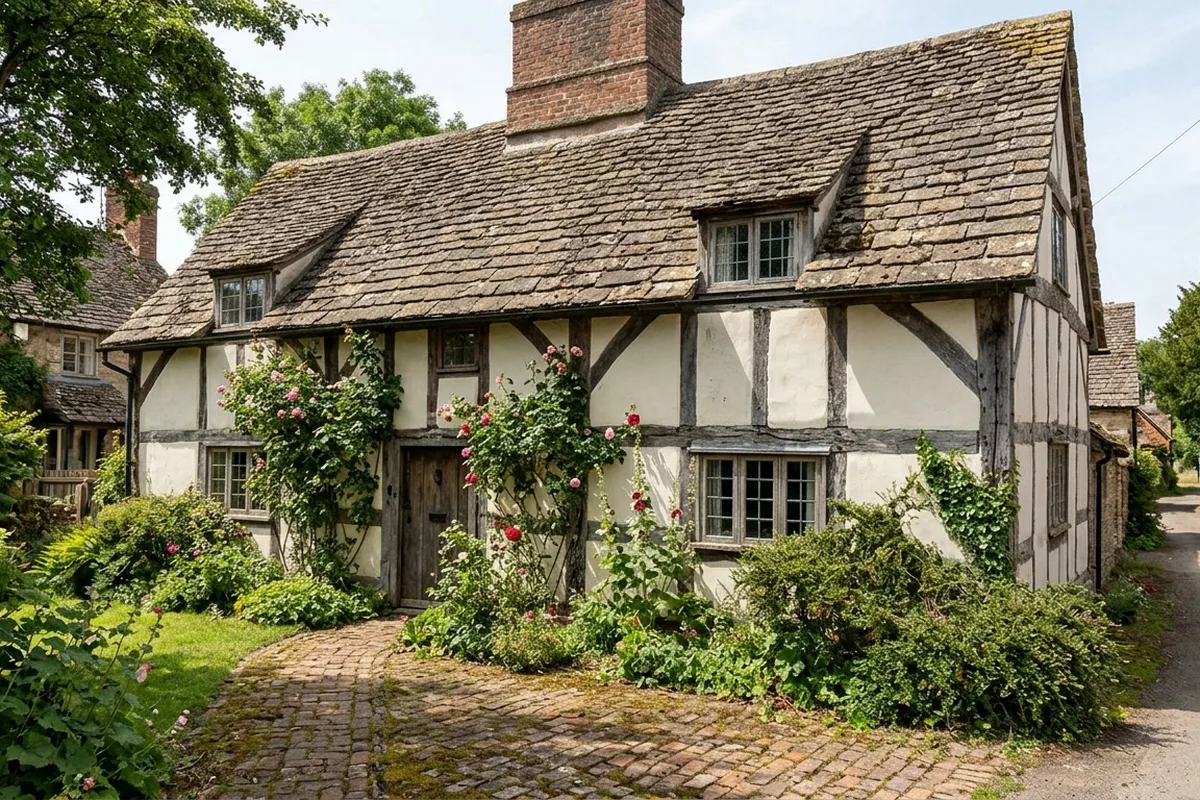
It contains the Grade I church of St Mary on its raised mound, the Grade II* Six Bells and a long list of Grade II houses, among them the Manor House, the Unitarian chapel of 1754, the King's Head and the King's Arms, Bell Cottage, Churchgate and houses on the High Street and East Street.
What the appraisal says about windows
What is there now
Small-paned casements on most older buildings, many dating from the eighteenth century or later. Sashes on larger houses from the 1700s to the early 1900s. A few timber or steel casements with leaded lights. Many windows recently renewed, mostly in timber, and some in uPVC.
What it asks for
Keep historic windows and repair them where possible. Where replacement cannot be avoided, copy the original or use a design from the building's own period, and treat every window on a building the same way. It points out that well-kept historic windows can last more than 200 years.
Listed, unlisted and Article 4
Owners of listed houses must get listed building consent from Horsham District Council before any window changes, whether the house is in the conservation area or not. Going ahead without that consent breaks the Planning (Listed Buildings and Conservation Areas) Act 1990, and Horsham can make the owner reinstate the old pattern at their own cost, so this step is never worth leaving out. Historic England's online register, the National Heritage List for England, shows whether a house is listed and when it was added.
Where a house in the conservation area is not listed, the council's appraisal does not mention an Article 4 direction, so the usual permitted development rights for windows of a matching appearance still apply in principle. That can change, and the council is the only one who can confirm it for your address.
Depending on the building (listed, conservation area, Article 4), there can be rules on the glass you're allowed and on the exact glazing-bar layout. Check with the council; Billingshurst Windows can help with that process.
Adversane, on Stane Street south of the village, is the parish's second conservation area, with its own appraisal from November 2025. It names the replacement of wooden windows with plastic as the main threat to the hamlet's character.
Repair before replacement
Both of the parish's appraisals put repair first, and national guidance backs them. Historic England's guide to traditional windows covers their care, repair and thermal upgrading, and makes the case that a well-kept old window can be made far warmer than its reputation suggests. Draught-stripping, overhauling the sashes or casements and adding secondary glazing behind are the usual steps.
For a listed Billingshurst house, that is often the route the council will expect to see tried before it agrees to new windows. On the home visit, the old windows are looked at with that in mind, and you are told plainly if repair is the better answer.
Talk it through before you apply
On the visit you hear what Horsham's officers tend to look for, and you get a figure for the windows.
Secondary glazing
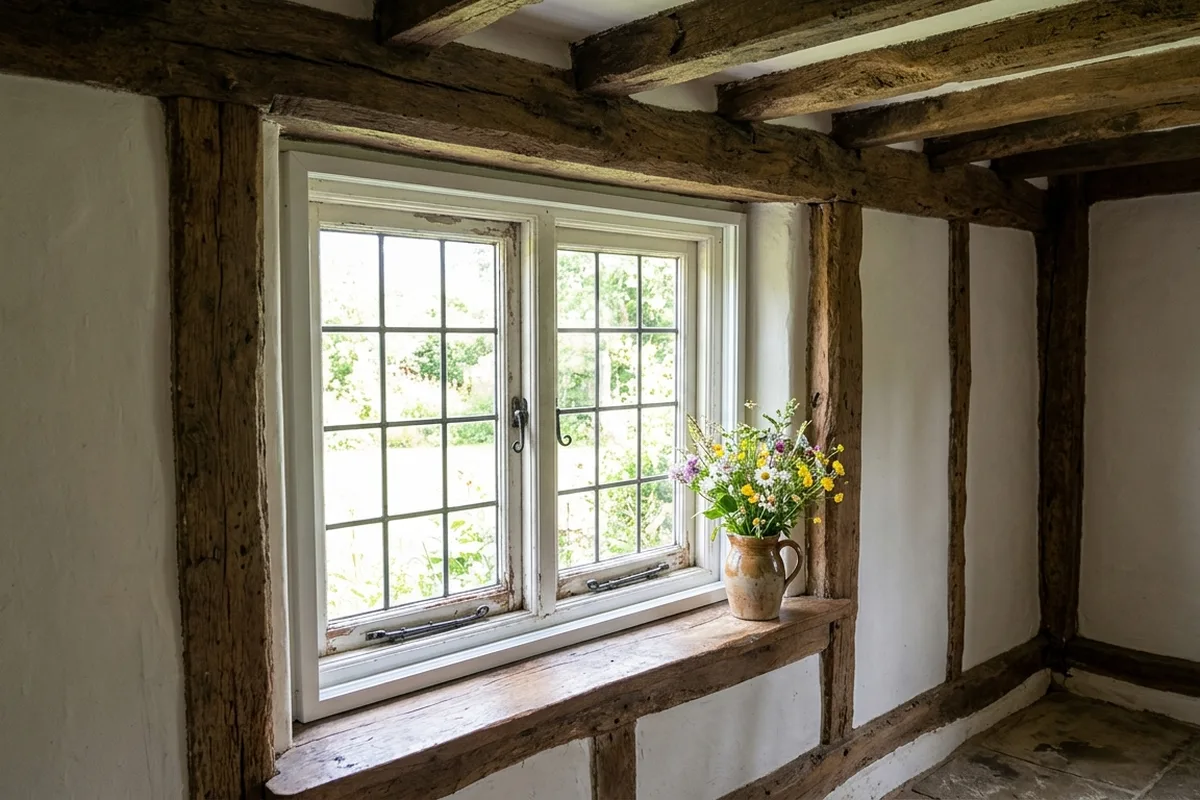
Where the old windows have to stay, a slim inner window fixed within the opening, just behind the historic frame, cuts draughts and noise without touching the historic frame. Across the market, secondary glazing generally costs £450 to £1,200 a window, varying with size and type. It usually still needs listed building consent on a listed house, so ask the council first.
Timber
Sometimes the conservation officer will settle for nothing but real joinery. Timber sash from £2,650 installed, and its first repaint, roughly three years later, is down to the owner.
Flats
Billingshurst's flats range from conversions of big old houses, such as Summers Place north of the village, which the parish design statement records as turned into apartments, to purpose-built blocks.
Flats have no permitted development rights for windows. Changing the look of a flat's windows (material, style, opening) usually needs planning permission; an exact like-for-like replacement may not. You also need the freeholder's consent, so check with the council.