Flush casement windows for Billingshurst cottages
And for the semis and estate houses of the village, Five Oaks, Adversane and Coolham
The commonest window in the parish
Side-hung casements are the window of the Sussex Weald. The Billingshurst appraisal names casements with small panes as the most common type in the old village, and the Adversane appraisal calls wooden casements the typical traditional window of the hamlet. The tile-hung Victorian houses of Five Oaks have them too.
Later Billingshurst kept the habit. The 1940s brick houses around Coombe Hill and Frenches Mead, the 1960s Silver Lane estate and the 1970s houses off Forge Way and Belinus Drive were all built with casements, and many of them are now on replacement windows that are themselves twenty or thirty years old.
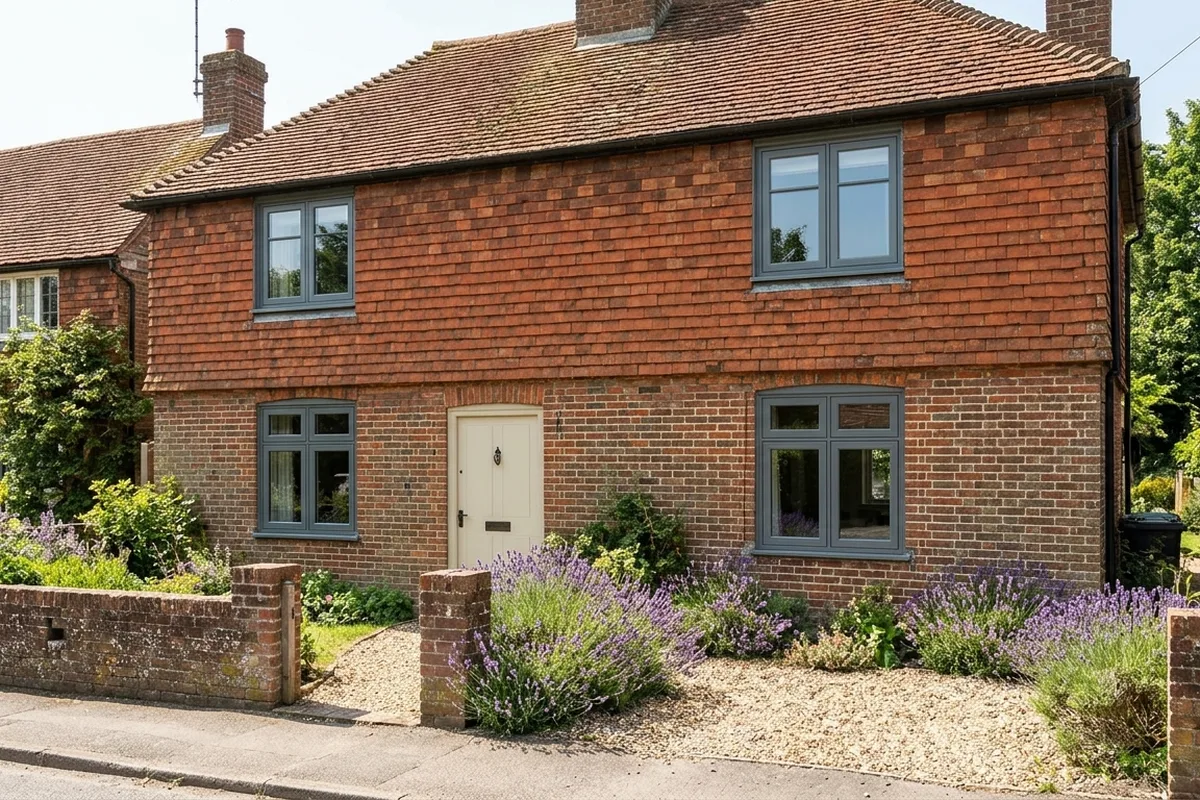
Flush or chamfered?
Flush casement
Shut, the opening part lines up flat with the surround, just as an old hand-made cottage casement does. It is the better choice for a cottage, a tile-hung Victorian house or anywhere near the conservation area, because from the lane it reads as a traditional window.
Flush casements come in white, heritage colours such as cream, sage and agate grey, and woodgrain foils.
Chamfered casement
Here the opening part stands a few millimetres forward of the surround, with angled edges. This is everyday modern uPVC and the plain, sensible choice for a 1940s semi or a 1970s estate house where the originals were never timber cottage windows.
Chamfered casements cost less than flush ones, and white costs less than a colour.
Bars, glass and timber
Cottage bars, one horizontal bar across the upper part of the window, suit the Victorian houses of Five Oaks and Parbrook. Small square panes suit the oldest cottages, but only with bars fixed to both faces of the glass and a spacer between the panes, so they do not look stuck on.
Genuine timber casements are noticeably dearer than uPVC made to look like wood, so timber is only worth recommending where the planners insist on it, as on a listed Wealden cottage. Elsewhere a woodgrain or painted-look flush casement gives the look without the repainting every few years.
Depending on the building (listed, conservation area, Article 4), there can be rules on the glass you're allowed and on the exact glazing-bar layout. Check with the council; Billingshurst Windows can help with that process.
Casements in tile-hung walls
Tile hanging is everywhere in Billingshurst: on the old High Street, in Parbrook, on the Victorian houses of Five Oaks and copied again on Roman Way and Penfold Grange. Upstairs windows in a tile-hung wall sit inside a timber surround, with the tiles cut and fitted around it. When a casement is replaced, the fitters work inside that surround so the tiles stay put. If the surround itself is rotten, it is renewed in the same position and the cut tiles go back.
Downstairs, most Billingshurst cottages and semis have brick reveals. Here the new frame is set back into the opening, roughly where the old one sat, and the gap is sealed and finished inside with a new trim. A frame pushed forward to the face of the brick is one of the quickest ways to make a replacement look cheap.
Openers and fixed panes
An old cottage window was often all openers. A modern casement can be made the same way, or with fixed panes and fewer openers, which cuts the price a little and keeps the frames slimmer. Bedrooms on the first floor need at least one opener big enough to serve as an escape route, so plan that in before choosing.
Casement window questions
Are flush casements dearer than chamfered ones?
Yes, a little. The flush sash needs a deeper frame and more work to sit level, and colours or woodgrain foils add to that. On a plain post-war house the chamfered window is the sensible saving.
Can I keep the small square panes of an old cottage window?
You can have the same pattern with bars fixed to both faces of the glass and a spacer between the panes, so the bars line up from inside and out. Real separate panes are only made in timber, and only worth it where the house is listed.
What colour suits a tile-hung Billingshurst house?
White, cream or a soft grey usually sits best against red brick and clay tile, which follows the parish design statement's call for white or a warm natural colour. A colour sample held against the wall on the visit settles it.
Bring the old window measurements if you have them
They help, but they are not needed. Everything is measured properly at survey once you go ahead.
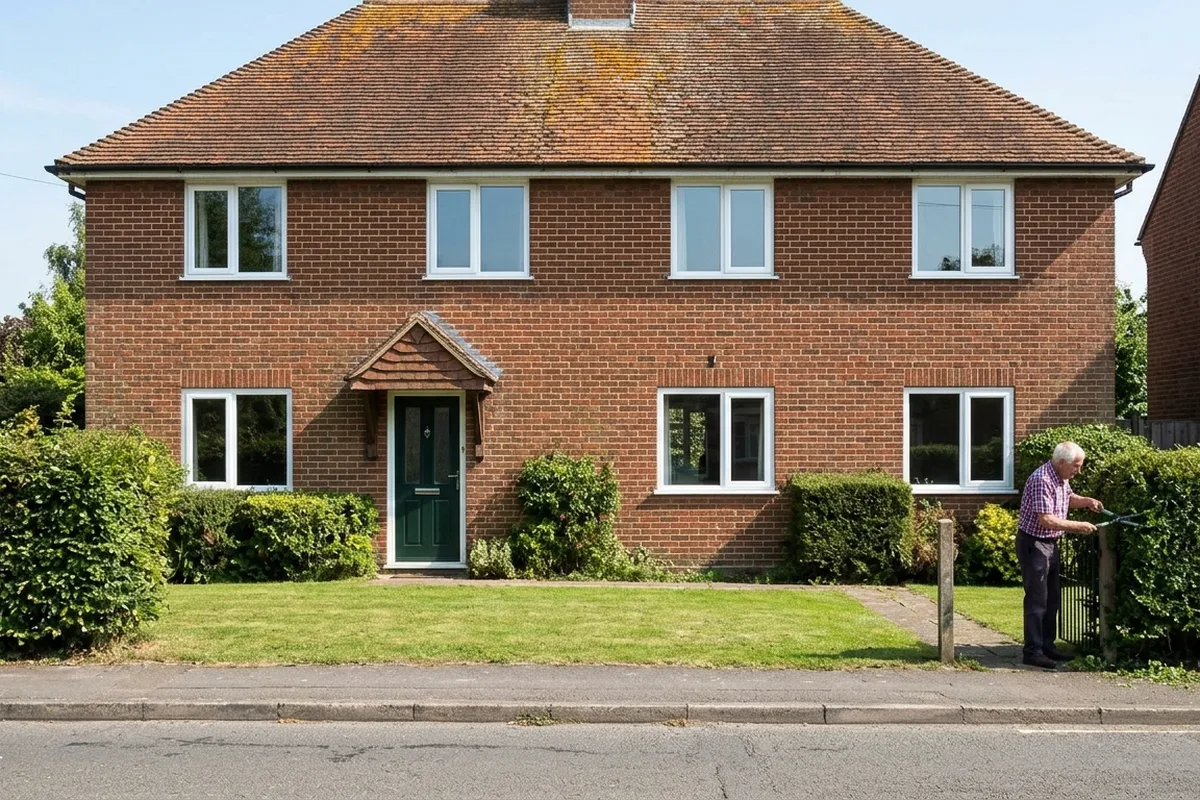
Casement jobs priced
A 1930s chalet bungalow with flush casements and a 1940s brick semi with chamfered casements open the Billingshurst prices page.
Window prices in BillingshurstPrefer aluminium?
An aluminium casement shows more glass than plastic, and still comes in under timber on price.
Aluminium windows